News Updates

  • The Bio Centre Story
  • world water day
  • BIO CENTERS TO ACT AS FOCAL POINTS TO DISSEMINATE ETHANOL STOVES
  • SWIPING TO ACCESS SANITATION SERVICES: BIO CENTRES SET TO ADOPT CASHLESS PAYMENT MODE

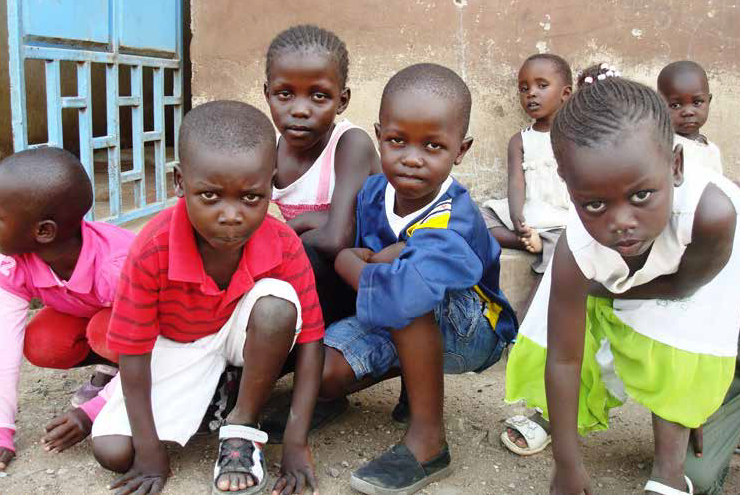
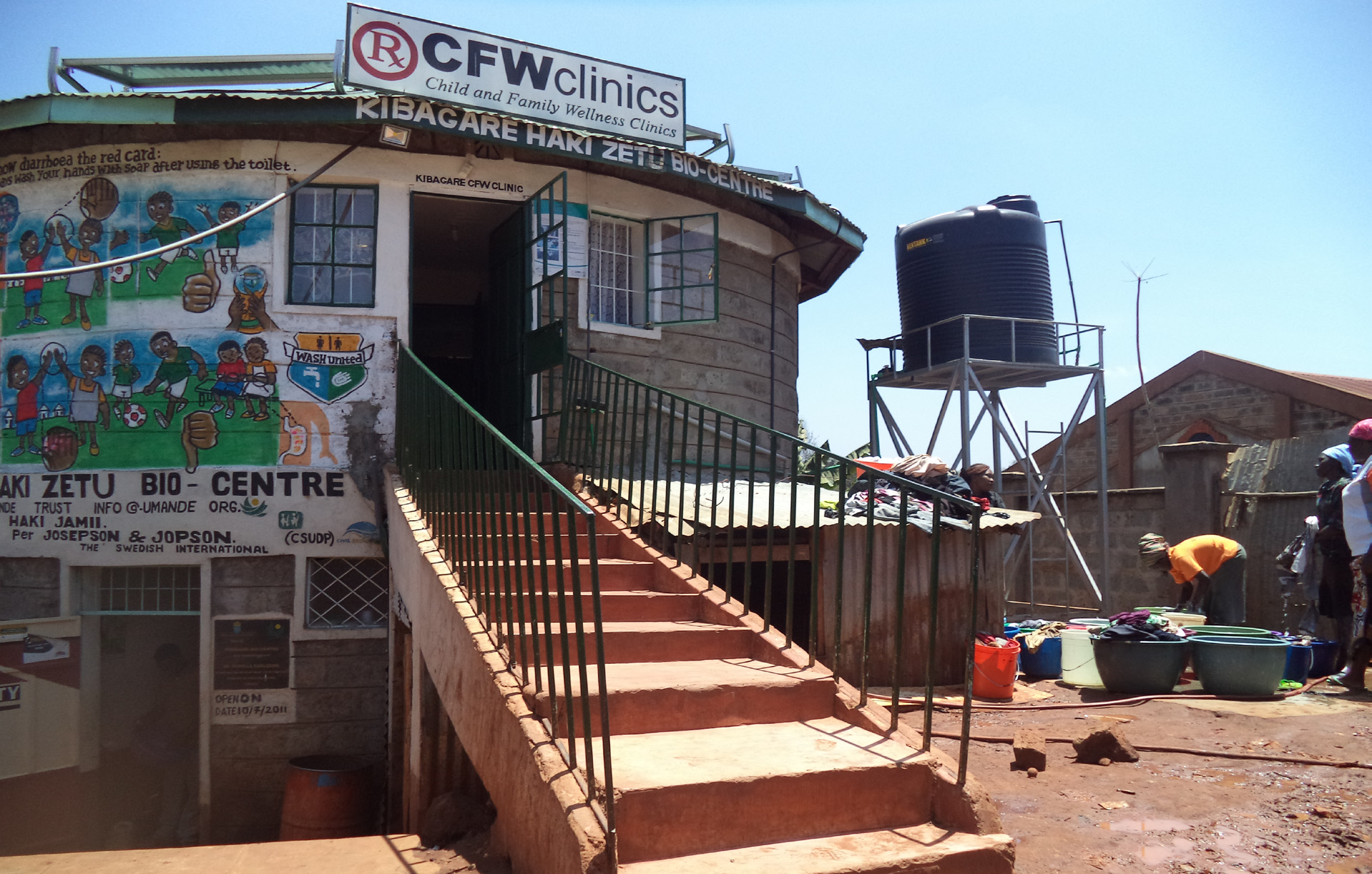
For many, the idea of creating bio gas from human waste seems like a far fetched idea. Yet, from 2005, Umande Trust has been helping communities in informal settlements in Nairobi develop bio sanitation centers that generate bio gas for cooking and offer other services for income generation. 

At the Kibera School for Girls, located in Nairobi's Kibera slums, biogas generated from the school latrine helps cook for more than 100 students. This helps save the school up to Ksh 30,000 (USD 400) in addition to offering green energy.

Read More

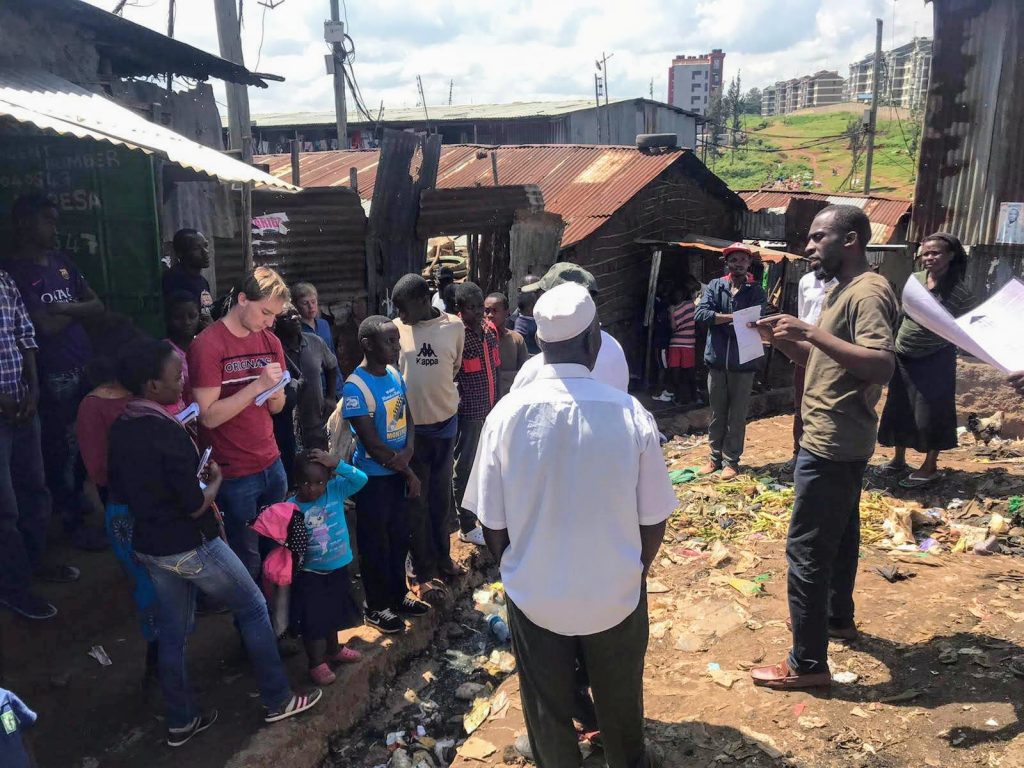
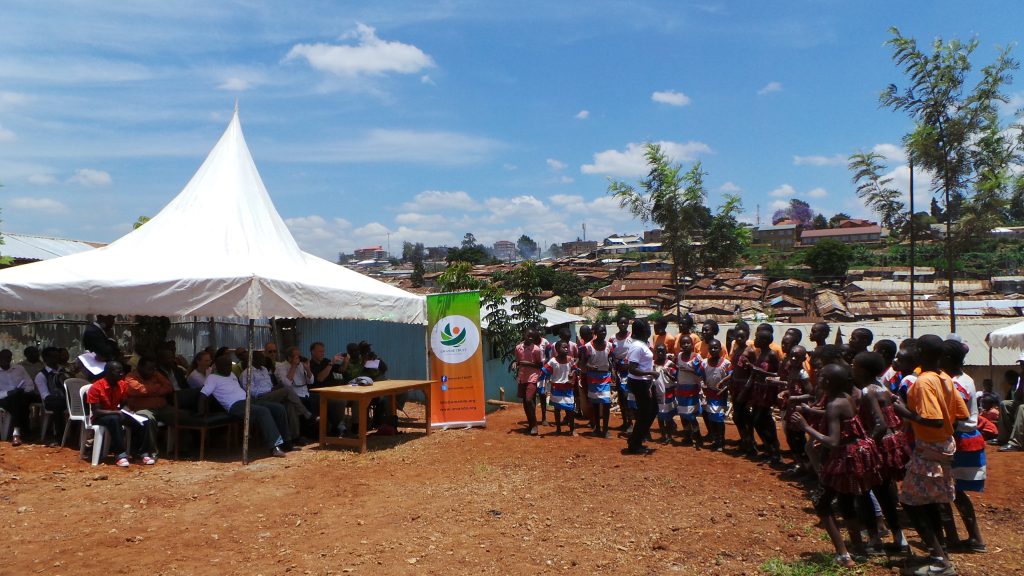
Umande Trust will mark this year world water day at Mukuru kwa Reuben Catholic Church on 24 - 04 - 2013 as from 9am.

Read More

Majority of house hold in Kenya especially in informal settlements area use wood or charcoal for cooking. This practice causes extensive pressure on forest resources and causes major health problems as a result of indoor smoke.
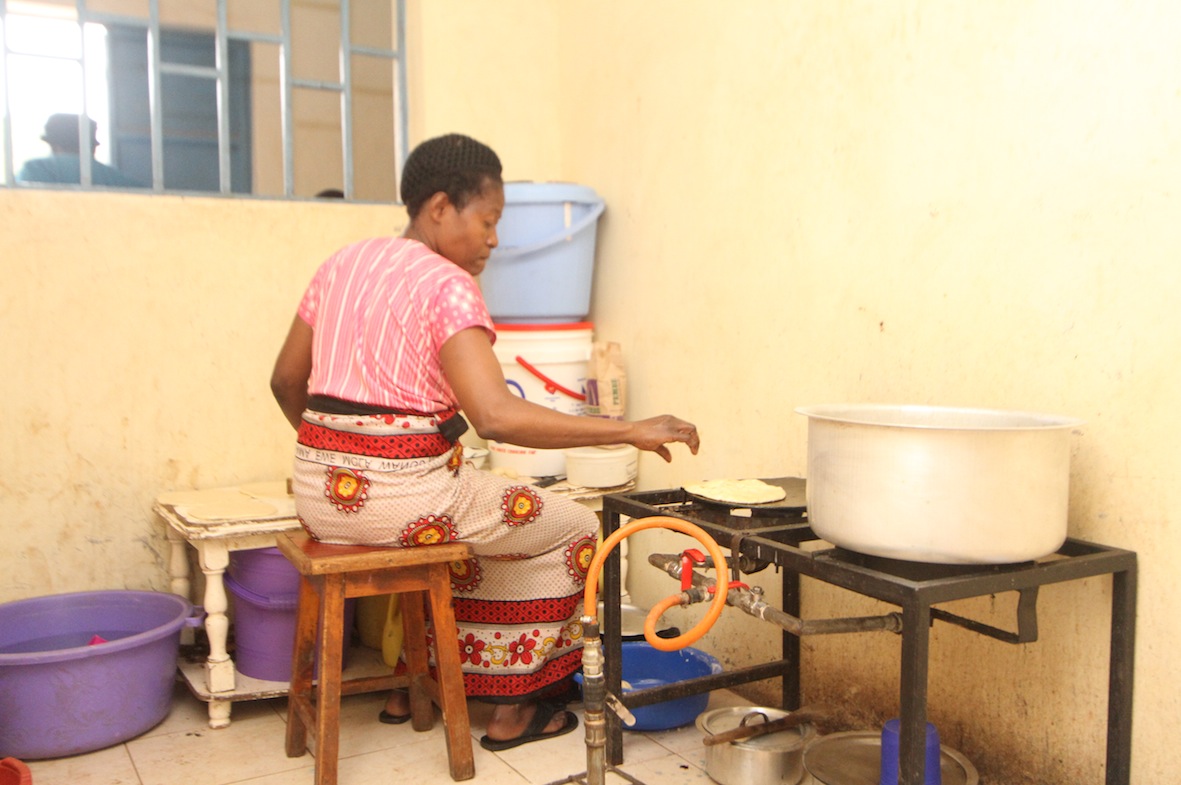
Green Development, Practical Action and Umande Trust have partnered together to implement a pilot project on clean ethanol cookers in Kibra, Nairobi. The project builds from experience from the Kisumu ethanol stove project and seeks to address the challenges found in that project in particular ethanol supply and the price of ethanol will be solved through a large scale in a market that is willing to pay more.
The project proposes to replace the use of wood and charcoal with ethanol stoves that use denatured ethanol (this is to avoid diverting the ethanol to illicit use). The aim of the project is to show that ethanol stoves are commercially viable, and that it is a good healthy and a desired solution to and it will establish the first commercial pilot project for 5000 ethanol stoves in Kenya with corresponding distribution system based on commercial terms and principles.
The ethanol stove project will be rolled out first in Kibra and then to other informal settlements in Nairobi. Communities that have been targeted in Kibra are well organized and can participate effectively in the co ordination and implementation of the project activities under the supervision of Umande Trust.
Practical action will train the local women’s group who are involved with Umande Trust in the bio centre projects in Kibra. The local women’s group will then engage the community to train and follow up each family.  The over 58 bio centers will act as focal points to disseminate the ethanol and the ethanol stoves.
The ethanol stove has a canister inside filled with ceramic wool. Once the user has filled the canister with ethanol it is impossible to get it out as the ceramic wool works as a sponge holding on the ethanol. This makes the stove safe and there has been no reported accident in any of the pilot projects.
In making the ethanol emphasis is that it’s made in a sustainable way. The carbon credit program only reward projects where the ethanol is made in a sustainable way according to the UN guidelines for sustainable bio fuels production. This is to protect forest from being cut down and converted to bio fuel production and protect farmland from being only used for ethanol production.              

      
The ethanol for this project is made from molasses, a waste product that now generates income. Ethanol can be made from agricultural waste in many forms e.g. Pineapples, sweet potatoes, cassava, cashew nuts e.t.c.    
So far contacts have been established with two key suppliers i.e. Mumias Sugar Company and spectre international and both have confirmed their capacity to handle this. The cookers will also be subsidized so that the selling price will be in the range of Kshs. 2000 per stove.
The project will contribute to the national objective on energy access “to increase provision of clean energy at the cheapest cost possible while protecting the environment and contribute to the goal of making Kenya kerosene free by 2020 by availing alternative modern energy services. This is a crucial pillar of Kenya’s vision 2030.
The project will also contribute towards the achievements of the sustainable energy for all initiative objective of “ensuring universal access to modern energy services”. In line with this, the project will increase access to Sustainable, affordable and appropriate cooking energy and popularize bio ethanol as alternative energy source for cooking.
Savings in time per day are perhaps the benefit most mentioned by the cooks in explaining their preferences to the ethanol stove over the charcoal stove. But another benefit mentioned is the ability to take the stove and cook safely inside the home without the risk of flames out of control as is common with kerosene stoves.

Read More

As with any business operated with cash transactions there may be probable anomalies with financial reporting as all revenues may not be reported and expenses might be exaggerated. This in turn leads to transparency and accountability issues.
It is possible that creative pricing structures and other innovative incentive schemes can work effectively with cash payments and manual tracking.  However, more sophisticated payment systems (e.g., leveraging electronic/mobile technology) have the potential to enable such ideas to turn into practical reality on the ground, by helping to both facilitate the money flows and to track them in a more systematic way.

Read More